
Clinical services are provided by The Rose Yarde, LLC, doing business as Suite Sense Innovative Wellness.
Supervising Physician: Luther Quarles IV, D.O., Texas Medical Board License No. U1359.

Suite 03 · Body
Refuel Suite — Personalized Medical Wellness & Hormone Care
Refuel Suite provides individualized medical wellness consultations and treatment options based on appropriate clinical evaluations. Services may include IV hydration, hormone care, weight-management consultations, and other medically appropriate interventions.
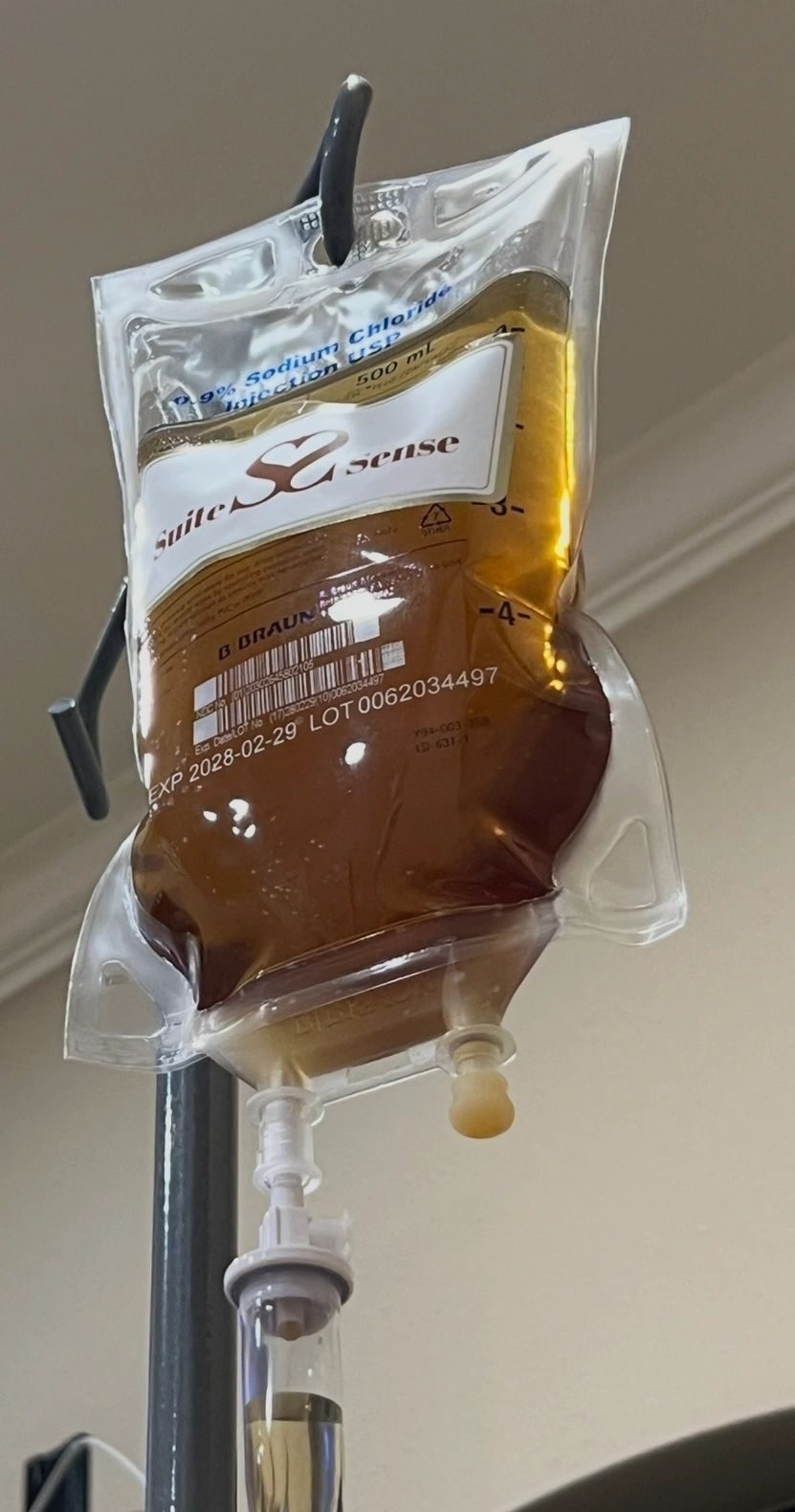
Inside the Refuel Suite
Body care, with assessment first.
A consultation comes before a decision. Discuss the options, potential risks and follow-up involved, then agree on a plan with your clinician.
Refuel Care Menu
IV Hydration Therapy
Explore your options with a clinician. An infusion is offered only when appropriate to your health history and needs.
IV Hydration Consultation
Review hydration concerns, medical history and medications. Discuss whether IV fluids are appropriate or whether oral hydration or another approach is preferable.
Infusion Options
Ask about currently available formulations, ingredients and doses. Your clinician explains the purpose, evidence, risks and monitoring before you consent to an infusion.
NAD+ Consultation
Discuss the NAD+ options listed in the Refuel Suite, including suitability, administration and follow-up. A consultation is not a promise of benefit.
IV treatment carries risks, including infection, vein irritation and fluid or electrolyte problems. Broad claims about energy, immunity or detoxification are not established benefits for everyone.
Men's Health
For Men: More Than Testosterone
Many men ask about testosterone replacement (TRT) first—but it is only one part of the conversation. Men also come to the Refuel Suite to discuss energy, recovery, focus and healthy aging. Every option below begins with a clinical assessment, and none is offered without one.
NAD+ Therapy
NAD+ is a coenzyme involved in cellular energy processes. Men often ask about NAD+ infusions for energy, focus and recovery. Discuss the current evidence, administration options and whether it is appropriate for you—interest alone is not an indication.
Peptide Consultation
Peptides are short chains of amino acids, and interest in them for recovery, body composition and performance has grown quickly. Availability depends on clinical appropriateness, evidence, product regulatory status, and applicable law. Your clinician reviews which options, if any, are appropriate and legally available—and which are not.
Testosterone & Hormone Care
When symptoms and lab results point to a hormone issue, testosterone care may be discussed as part of a broader hormone assessment—not as a default. See the Hormone Replacement Therapy section below for how that evaluation works.
Recovery & Performance Support
Hydration, nutrient status, sleep and training load all shape how you feel. An infusion is one tool; your clinician helps you decide whether it addresses your actual need or whether another approach fits better.
How It Works
Consultation
Meet with a qualified healthcare professional to discuss your goals—energy, recovery, focus or hormone concerns—and your full health history.
Assessment & Labs
Where clinically appropriate, lab work helps distinguish a hormone issue from other causes. Similar symptoms can have very different explanations.
Your Options, Explained
Review the options that fit your assessment—NAD+, peptide discussions, hormone care or hydration support—with the evidence, risks and costs explained plainly.
Care & Follow-Up
If you begin a therapy, follow-up is scheduled to review how you are doing and adjust the plan. No therapy continues without ongoing clinical review.
NAD+, peptides and testosterone are not general performance boosters, and compounded or research peptides are not FDA-approved for anti-aging or athletic enhancement. Each option carries its own risks and is discussed individually.
Prices shown are self-pay starting costs. Some medically necessary services may qualify for insurance coverage. Eligibility, authorization requirements, and patient responsibility vary. Insurance verification does not guarantee payment. Ask for an itemized cost before booking.

Suite Sense · Refuel Suite
Hormone Replacement Therapy for Women & Men
Care for the changes you feel. At Suite Sense in Katy, hormone care brings your symptoms, health history and lab results into one thoughtful conversation—with a plan shaped around you.
Support Through Perimenopause & Menopause
Discuss hot flashes, night sweats, disrupted sleep, vaginal dryness and changes in sexual comfort. Your clinician considers your stage of life, personal and family history, and whether hormone therapy or a nonhormonal option is appropriate.
For someone with a uterus, systemic estrogen generally requires a progestogen to protect the uterine lining. Treatment type, timing and individual risk all matter.
The Foundations
Understanding Hormone Care
- Hormones are chemical messengers. Their effects reach many body systems, but not every symptom signals a hormone deficiency.
- Age and life-stage changes can affect hormone levels. Sleep, medications and other medical conditions can cause similar concerns.
- Treatment addresses a specific clinical need—not a promise to reverse aging, prevent disease or improve every aspect of health.
- Benefits, timing and side effects vary. A plan should be reviewed as your symptoms and health change.
A Menu for Discussion
Hormones We Assess
Estrogen
Discuss menopausal symptom relief and systemic versus local treatment. Formulation, personal risk and whether a progestogen is needed are part of the decision.
Progesterone
Discuss its role alongside estrogen when protection of the uterine lining is needed. Product choice and dosing depend on the overall treatment plan.
Testosterone
Assessment of testosterone-related concerns includes symptoms, appropriate testing, fertility considerations and follow-up. Use and evidence differ for men and women; some uses in women are off-label.
DHEA
Review the reason for considering DHEA and the evidence for the specific product. It is not a routine supplement for everyone, and systemic supplements are not equivalent to prescription vaginal prasterone.
Thyroid Hormones
Evaluate possible thyroid disease with relevant tests. Thyroid medication is used for a diagnosed indication, not simply to accelerate metabolism or pursue a higher laboratory number.
Cortisol
Discuss adrenal function when symptoms and history warrant it. Cortisol testing and treatment are indication-specific; general fatigue alone does not establish an adrenal disorder or a need for replacement.
From Conversation to Follow-Up
Your Care, Step by Step
A Conversation First
Start by discussing your concerns and goals with our team. A qualified healthcare professional reviews your history, medications and relevant health risks.
Lab Work & Clinical Review
Complete clinically appropriate testing, then review the results alongside your symptoms. Your clinician explains what the findings support and what other causes may need attention.
Your Individual Treatment Plan
If treatment is appropriate, agree on medication, administration, alternatives and follow-up. Clinician-directed at-home treatment may be part of the plan, with instructions for safe use.
Ongoing Care & Adjustments
Review your response, side effects and relevant labs. Your clinician determines whether to adjust, continue or stop treatment—never simply renew a prescription through a membership.
Treatment Specifics
Options That Fit Your Care Plan
Injections
An option for certain prescribed hormones. The medication, dose and interval are individualized; some patients may be taught home administration when appropriate. Injections can cause local reactions and do not guarantee steadier levels or better results than other routes.
Transdermal Creams & Gels
A topical option for certain medications. Absorption and precautions depend on the product. Follow application instructions and prevent accidental skin-to-skin transfer, especially to children or partners.
Your Results in Context
A reference range is one part of an assessment—not the whole story. Timing, testing method, symptoms and medical history affect interpretation. We discuss the clinical meaning of your results rather than promising a universal ‘optimal’ number or increasing doses without a clear reason.
Quality You Can Verify
Pharmacy & Safety Standards
Where your prescription is prepared matters as much as what is prescribed.
- Prescriptions are filled by a licensed partner pharmacy subject to applicable federal and state requirements.
- Compounded medications are not FDA-approved. Pharmacy certifications and quality standards should not be interpreted as guarantees of individual treatment outcomes.
Are compounding pharmacies safe?
Compounded medications are not FDA-approved. Discuss why a compounded prescription is being considered, its risks and alternatives with your clinician. Pharmacy certifications and quality standards are not guarantees of individual treatment outcomes.
What You May Want to Address
- Menopausal Symptom Relief
- Sexual Health & Comfort
- Sleep & Day-to-Day Well-Being
- Energy & Function When Deficiency Is Present
These are concerns to discuss, not guaranteed outcomes. Improved appearance, weight loss, muscle gain, sharper thinking and disease prevention should not be assumed benefits of hormone therapy.
Personalized, Not Standardized
Our Method of Care
Your plan considers symptoms, relevant labs, lifestyle and preferences. Review the exact formulation and its regulatory status with your clinician. Bioidentical describes a hormone's molecular structure; it does not mean risk-free. FDA-approved bioidentical options exist, and compounded products are not established as safer or more effective.
Hormone treatment can have side effects. Depending on the medication and your history, risks may include blood clots, stroke, certain cancers or changes in blood counts. Discuss pregnancy, fertility, unexplained bleeding, cancer history and cardiovascular risk before treatment. Not every hormone named here is appropriate for every person.

Make Room for Ongoing Care
Hormone Care Membership
Explore ongoing Hormone Care membership options with Suite Sense. Before joining, review visit allowances, laboratory charges, medication costs and renewal or cancellation terms with our team. Membership does not replace assessment or authorize automatic prescription refills.
Explore Hormone Care Membership ↗Hormone Therapy: Frequently Asked Questions
The menopause questions below focus on perimenopause and menopause; testosterone care for men follows a different assessment. These answers support a conversation with your clinician, not an individual treatment recommendation.
What can menopausal hormone therapy help with?
Hormone therapy may help with hot flashes, night sweats and vaginal dryness when it is appropriate for you. Sleep may improve when disruptive symptoms ease. It is not a general treatment for aging, weight loss, memory concerns or prevention of heart disease; other symptoms may need a separate assessment.
Is hormone replacement therapy safe for me?
There is no single answer for everyone. Your clinician weighs your symptoms against risks that depend on your age, time since menopause, health history, medication and treatment route. A history of certain cancers, blood clots, stroke or unexplained vaginal bleeding may make some treatments unsuitable. Nonhormonal options can also be discussed.
When should I consider hormone therapy?
You can discuss bothersome symptoms during perimenopause or after menopause. For many otherwise healthy people, starting before age 60 or within 10 years of menopause has a more favorable benefit-risk balance than starting later. These are not automatic eligibility rules; your clinician considers your circumstances and alternatives.
How long would I stay on hormone therapy?
There is no fixed duration that fits everyone. You and your clinician periodically review symptom relief, side effects, changing health risks and your preferences, then decide whether to continue, adjust or stop. Do not change or stop a prescription without discussing your plan with your clinician.
How are the dose and treatment form chosen?
Your clinician selects a dose and form for your clinical needs, generally using the lowest effective dose for menopausal symptom treatment. Follow-up considers symptom response and side effects, with testing only when clinically appropriate. Report new or unexpected vaginal bleeding, breast changes or other concerns; do not adjust the dose yourself.
Can I use hormone therapy after a hysterectomy?
Estrogen-only treatment may be an option when the uterus has been removed, because a progestogen is generally used to protect the uterine lining. Your surgical history, any history of endometriosis and other health factors still matter. Having a hysterectomy does not automatically mean you need hormone therapy.
How soon might I notice a difference?
Response varies by condition, medication and person. Your clinician explains a realistic review timeline; no rapid or universal result is promised.
Can treatment be taken at home?
Some prescriptions may be used at home after assessment and clear instructions. Suitability depends on the medication, administration route and your ability to use it safely.
Are bioidentical hormones safer?
Bioidentical is not a safety guarantee. Ask whether the product is FDA-approved or compounded, why it was chosen and what evidence supports it. Compounded preparations should not routinely replace approved options when those are suitable.
Does hormone care have side effects?
Yes. All hormone treatments can carry risks or side effects, and these differ by product and personal history. Monitoring and informed consent remain important even when you feel well.
What does membership include?
Our team will explain current membership options and provide an itemized cost. Confirm visits, labs, medications and terms before enrolling. Prescriptions are never automatically renewed through membership.
Can I use insurance, HSA or FSA funds?
Coverage and account eligibility depend on your plan, the service and the medical indication. Confirm with your insurer or account administrator and our team before paying; eligibility is not guaranteed.
Care menu
Services & pricing
Prices shown are self-pay starting costs. Some medically necessary services may qualify for insurance coverage. Eligibility, authorization requirements, and patient responsibility vary. Insurance verification does not guarantee payment. Ask for an itemized cost before booking.
Labs, medications and follow-up visits may be billed separately.
Some medically necessary services may qualify for insurance coverage. Eligibility, authorization requirements, and patient responsibility vary.
- Initial Consultation
- An individualized clinical assessment. Labs, medications and follow-up visits may be billed separately.
- $360
- IV therapy
- Discuss available IV therapies and whether an infusion is appropriate for you.
- From $250 per infusion
- NAD+
- Ask about NAD+ options, suitability and the proposed treatment schedule during your consultation.
- From $600 per infusion
- Supervised weight care
- An evaluation-led conversation about weight care and any appropriate treatment options.
- From $400/month
- Individualized Hormone Care
- Hormone care considered after evaluation and testing, with benefits and risks discussed individually.
- From $360/month
Before your appointment
A few questions
Will insurance cover these services?
Some medically necessary services may qualify for insurance coverage. Eligibility, authorization requirements, and patient responsibility vary. Insurance verification does not guarantee payment.